


Young people arrested for cyber espionage
- Cyberpeace Tech

- Oct 3, 2025
- 2 min read
In the Netherlands, police arrested two 17-year-olds accused of collaborating with Russian hackers.
According to investigations, the teenagers were recruited through the Telegram messaging app and tasked with installing a WiFi tracking device in strategic areas of La Haya, near institutions such as Europol, Eurojust, and several embassies.
The purpose of the device was to map wireless networks and potentially intercept confidential data, which constitutes a form of cyber espionage. After receiving an alert from Dutch intelligence, the authorities acted quickly and managed to arrest those involved.
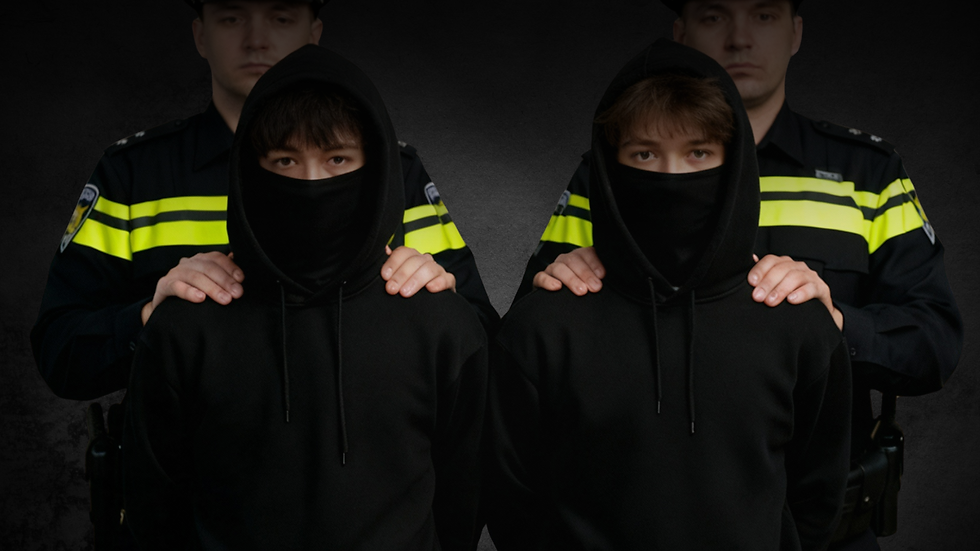
Currently, one of the defendants remains under house arrest with an electronic bracelet, while the other remains in preventive detention.
Both have already appeared before a judge and, if found guilty, could face up to eight years in prison under Dutch law.
Growing risk of cyber espionage among young people
One worrying aspect of the case is that the teenagers were contacted online and used as “disposable agents” for espionage purposes. The Dutch prime minister himself warned that it is alarming that minors are being exploited for this type of operation, which is considered part of Russia's hybrid attack strategy against Europe.
This case reflects a trend that should also be taken as an example in Mexico: young people, who spend much of their time on the internet, become easy targets for digital recruitment. Criminal groups or even foreign governments can manipulate them into participating in cyber espionage activities, underscoring the need to strengthen digital education and preventive surveillance.
Lessons for Mexico
Although this incident occurred in Europe, the situation serves as a warning for our country. Mexico must strengthen its cybersecurity awareness programs, especially those aimed at teenagers, in order to prevent them from being recruited by malicious actors through platforms such as Telegram or other social networks. Prevention and education are key to reducing the possibility of minors being used in cyber espionage operations that compromise national security.
At Cyberpeace, we believe that the best defense against cyber espionage and other digital threats is prevention. Staying informed and strengthening cybersecurity culture is key to protecting yourself. Want more tips and news about cybersecurity? Follow us on social media and stay one step ahead.


Comments